Direct-from-factory tactile learning tools, magnetic assemblies, and sensory development materials designed for global institutional and wholesale distribution.
Empowering global educational supply chains with state-of-the-art production facility, rigorous quality assurance, and end-to-end OEM/ODM expertise.
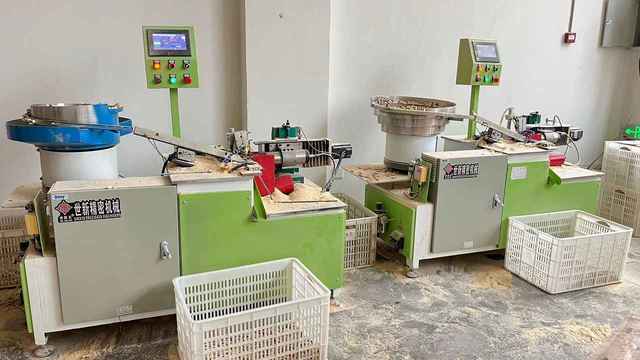
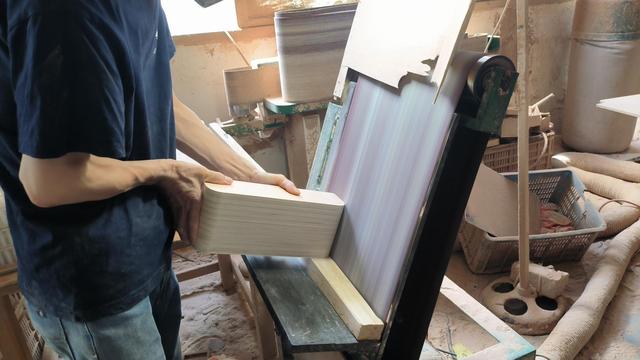
Dongguan Toym Toy Co., Ltd. stands as a premier enterprise in the research, engineering, and manufacturing of specialized sensory educational materials and developmental learning systems. Located in Dongguan, Guangdong Province—the recognized industrial hub for high-precision manufacturing—the facility spans over 16,000 square meters equipped with automated molding, precision laser cutting, CNC woodworking, and ultrasonic welding systems.
Operating with over 200 dedicated professionals, including pediatric ergonomics researchers, mechanical engineers, and compliance experts, Dongguan Toym Toy Co., Ltd. bridges the gap between developmental pedagogy and scalable manufacturing. The organization provides comprehensive solutions for early childhood educational centers, special education needs (SEN) programs, retail brands, and B2B global distributors seeking compliant, high-durability sensory resources.
Why China's southern industrial cluster provides unmatched competitive advantages for sensory educational tool procurement.
Dongguan’s localized cluster provides immediate access to certified non-toxic raw polymers, FSC-certified beechwood, food-grade silicone, and high-coercivity neodymium magnets, reducing procurement lead times by up to 40% compared to fragmented regional producers.
Utilizing high-precision multi-cavity injection molds and CNC woodworking apparatus, Dongguan Toym Toy achieves tight mechanical tolerances (<0.05mm), ensuring smooth visual finish, zero sharp burrs, and complete structural integrity during intensive classroom use.
Every batch undergoes stringent multi-stage inspections based on AQL 1.5/4.0 standards, including tension pull tests, drop tests, torque testing for magnetic containment, and heavy-metal XRF spectro-analysis to eliminate safety hazards at source.
Information Gain Insight: Sensory materials require significantly higher mechanical safety margins than standard toys. Due to intense tactile manipulation and potential mouth contact in early childhood or therapeutic settings, non-detachable magnetic enclosures and non-migratory organic pigments are mandatory technical baseline requirements in our Dongguan production lines.
Analyzing key shift vectors across early childhood education, special needs therapy, and STEAM integration.
Heightened diagnosis and societal focus on Autism Spectrum Disorder (ASD), Sensory Processing Disorder (SPD), and ADHD have driven exponential demand for specialized sensory tools designed for proprioceptive input and self-regulation.
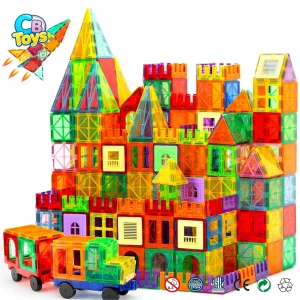
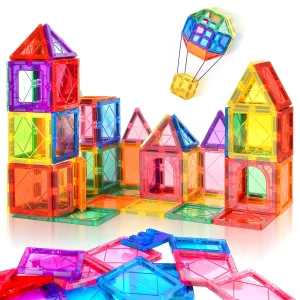
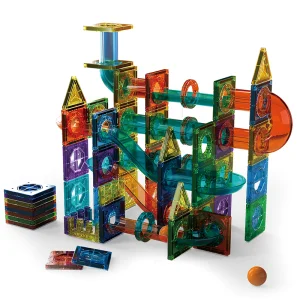
Modern pedagogical frameworks incorporate physical sensory feedback into abstract STEM concepts. 3D magnetic tiles, kinetic circuit blocks, and tactile geometry kits bridge spatial cognition with physical manipulation.
Educational institutions and eco-conscious retail brands prioritize zero-VOC, bio-based plastics, recycled EVA foams, and sustainably harvested FSC wooden substrates with solvent-free waterborne lacquers.
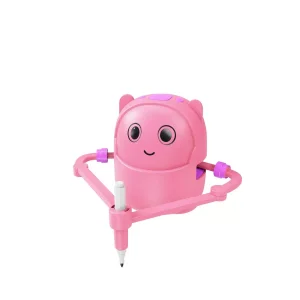
Integration of sensory response lighting, conductive ink card recognition, sound-feedback mechanisms, and smart drawing robots enhances multi-sensory retention and self-directed early age literacy.
Tailored developmental resources designed for diverse real-world educational and clinical environments.
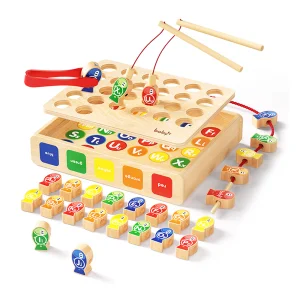
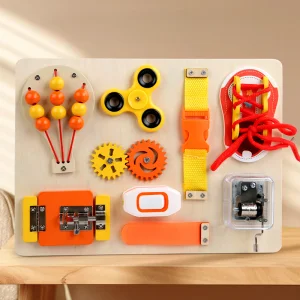
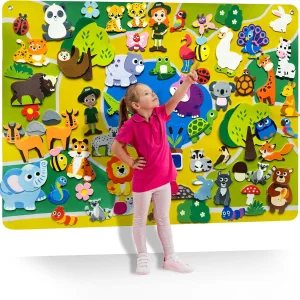
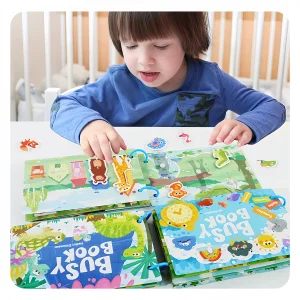
Sensory materials such as self-correcting wooden alphabet sorting sets, felt farm activity boards, and tactile busy boards empower children to self-regulate while building spatial reasoning, practical life skills, and motor coordination.
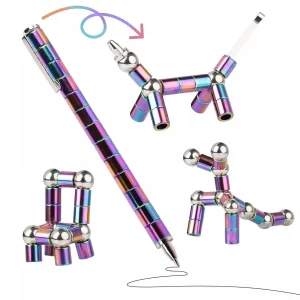
Therapists utilize specialized high-grip fidget pens, magnetic building tiles, and resin craft kits to strengthen fine motor control, hand-eye coordination, bilateral integration, and pincer grip mechanics in pediatric patients.
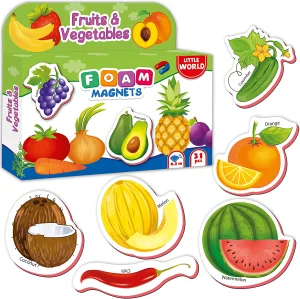
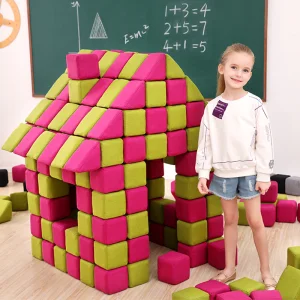
Illuminated marble runs, light-emitting magnetic tiles, and soft EVA foam magnetic arrays provide controlled visual and tactile feedback for individuals experiencing sensory overload or under-responsiveness.
Comprehensive baseline standards adhered to during manufacturing for North American, European, and Asia-Pacific market entry.
| Material Category | Technical Characteristics | Safety Certifications | Target Sensory Application |
|---|---|---|---|
| High-Density EVA Foam | Closed-cell, non-toxic, odorless, high-rebound elasticity, chemical resistance. | EN71 Part 1-3, ASTM F963, REACH Phthalate-free | Tactile puzzle sets, magnetic wall play mats, early childhood soft tiles. |
| Abs & Polycarbonate Polymers | Impact-resistant, food-grade raw resin, ultrasonic double-sealed magnetic cavities. | CPSIA, EU Toy Safety Directive 2009/48/EC, RoHS | 3D Magnetic building tiles, illuminated marble runs, electronic drawing robots. |
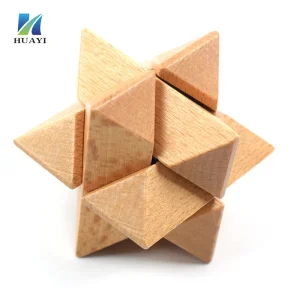
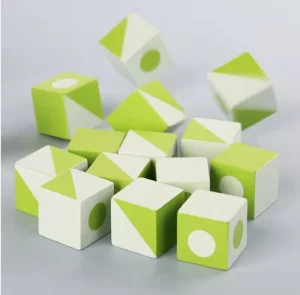
| Natural European Beechwood | FSC-certified timber, hand-sanded smooth edges, moisture-controlled (<10%). | EN71-3 (Heavy metals), ISO 8124, CARB Phase 2 | Montessori activity busy boards, letter matching games, logic star cubes. |
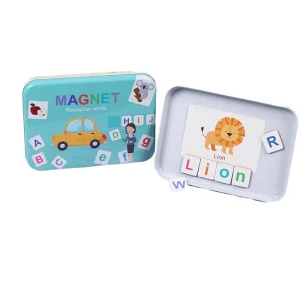
| Encapsulated Neodymium Magnets | N35/N38 Grade, triple-plated (Ni-Cu-Ni), sonic-welded internal housing. | ASTM F963 Magnet Flux Index Specs (<50 kG² kOe²) | 3D construction sets, magnetic fidget devices, spelling puzzle games. |
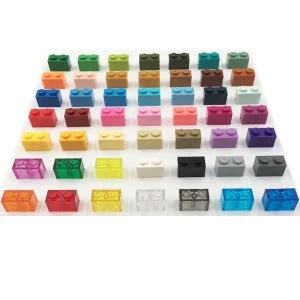
Explore our extended series of interactive learning systems, specialized activity sets, and bulk educational construction bricks.
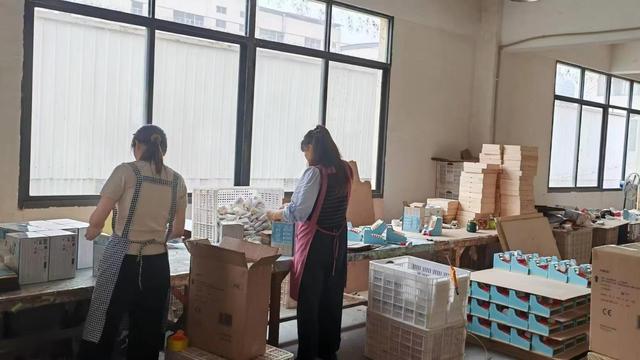
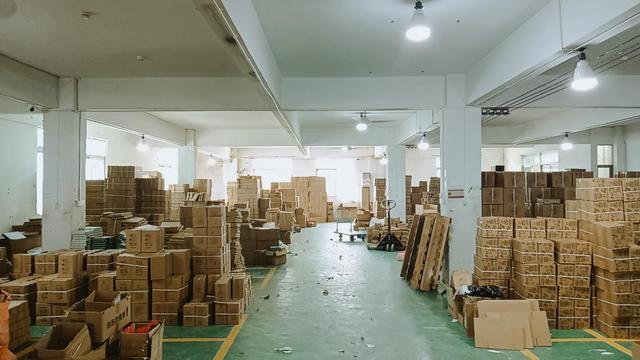
Take an insider look at our 16,000 m² clean manufacturing workshop, high-speed molding machinery, and quality testing labs.
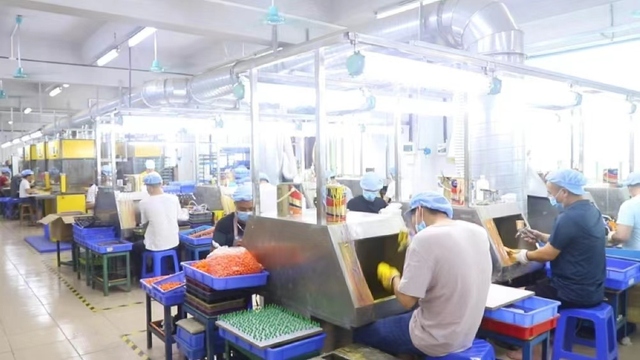
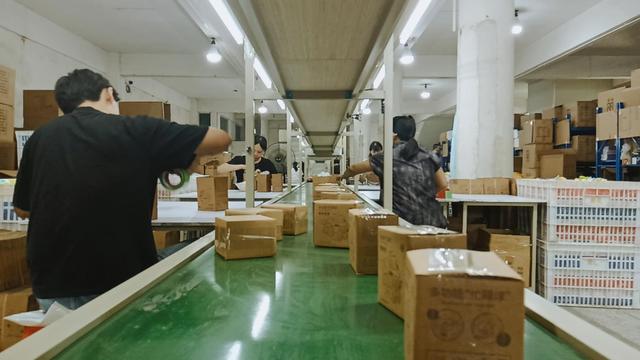
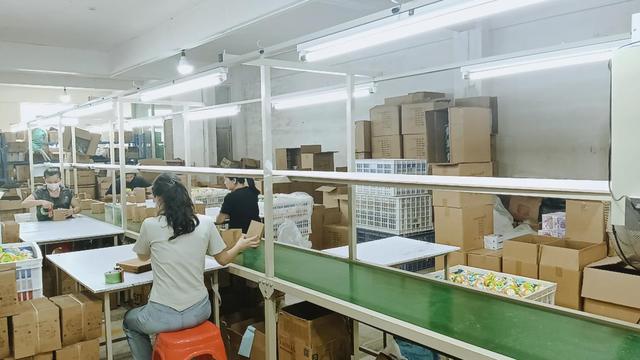
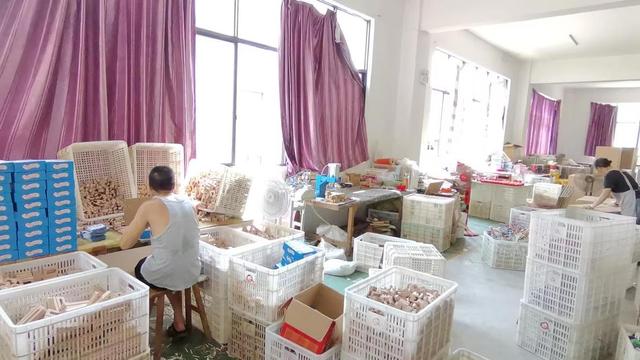
From initial design concept to international port delivery—our standardized 5-stage B2B manufacturing cycle.
Clients submit initial specifications or pedagogical goals. Our R&D team generates 3D CAD models, selecting optimal tactile densities, color palettes, and magnetic torque values.
Using industrial 3D resin printers and CNC sampling, physical prototypes are crafted within 5-7 business days for physical stress testing, magnetic strength evaluation, and toxicity screening.
High-capacity multi-cavity steel molds are created. Automated injection molding and assembly lines produce up to 50,000 units per week with consistent batch uniformity.
Detailed technical answers for procurement directors, brand owners, and educational product distributors.
 Toym Toy