Top 10 Certifications Educational Toys Should Have?

Time:2026-09-09 Author:Ethan
0%

Choosing educational toys involves more than colorful packaging, clever apps, or promising learning claims. Buyers must ask: what certifications should educational toys have before children handle, chew, stack, or share them?

The answer depends on the target market. In the United States, ASTM F963 compliance and CPSIA requirements address hazards such as sharp edges, small parts, lead, and phthalates. In Europe, EN 71 testing supports CE marking, while ISO 8124 offers an internationally recognized safety framework. These are not interchangeable badges. A CE mark is a conformity declaration, not always an independent certification.

The U.S. Consumer Product Safety Commission’s Toy-Related Deaths and Injuries report recorded approximately 231,000 emergency-department-treated toy injuries among children under fifteen in 2023. That figure makes testing feel less theoretical. A loose magnet, brittle battery door, or oversized paint chip can become a real household risk. Joan Lawrence, a former Toy Association standards and regulatory affairs executive, has emphasized, “Safety is the number one priority for the toy industry.” Her point remains practical: certification should support safer design, not merely decorate a product page.

This guide examines ten certifications and testing frameworks, including ASTM, EN 71, ISO 8124, CPSIA, and material-specific assessments. It also considers age grading, chemical screening, accessibility, and quality-control records. Certification alone cannot prove meaningful educational value. That is the uncomfortable part. Parents, schools, and distributors must still inspect instructions, durability, and developmental suitability.
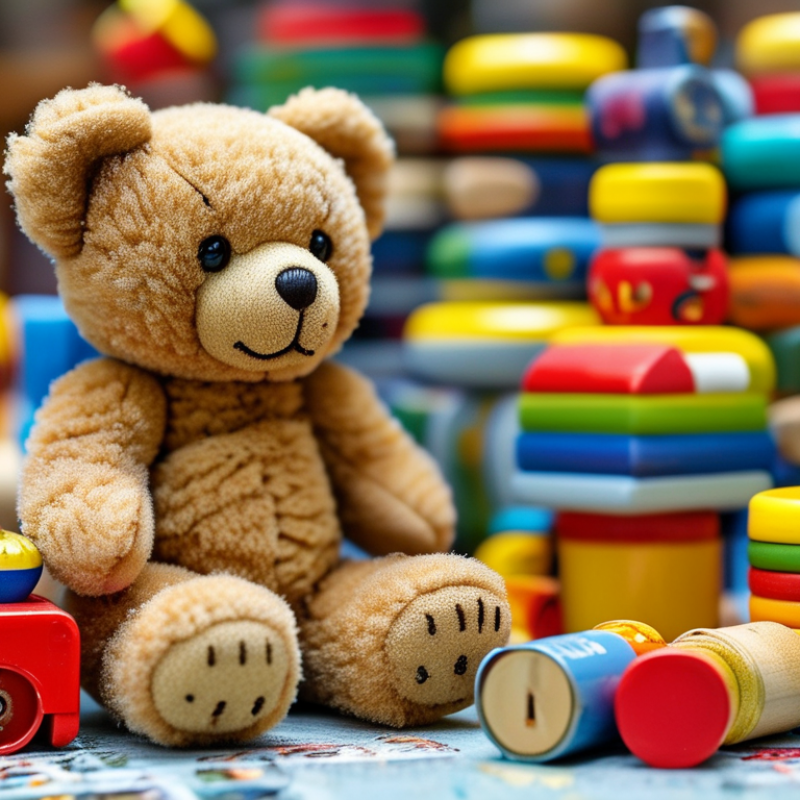
Top 10 Certifications Educational Toys Should Have?

Certification Standards for Educational Toy Safety and Compliance

Top 10 Certifications Educational Toys Should Have?

Certification Standards for Educational Toy Safety and Compliance

Educational toys need more than attractive packaging. They need traceable safety evidence. Key standards include ASTM F963 and CPSIA testing for the United States, EN 71 and CE compliance for Europe, and ISO 8124 for international markets. Other important requirements include REACH, RoHS, UKCA, CCC, and KC compliance. These systems examine mechanical hazards, flammability, heavy metals, chemicals, noise, and small parts. Technically, CE is a declaration, not a single safety certificate. That distinction is often missed.

The U.S. Consumer Product Safety Commission reported an estimated 231,700 toy-related emergency department injuries among children under 14 in 2023. The European Commission’s 2023 Safety Gate report also identified toys among the most frequently notified product categories. These figures make testing practical, not decorative. A reliable supplier should provide laboratory reports, batch records, age-grade reasoning, and material declarations. Check the test date. Old paperwork can hide design changes.

Tips: Request reports matching the exact model, materials, and production site. Inspect battery covers, magnets, seams, and paint during sampling. Do not trust a logo alone. Ask whether testing covers foreseeable misuse. One weakness remains: laboratory compliance cannot predict every child’s behavior. That is why repeated hands-on inspection still matters.

Chemical, Material, and Mechanical Safety Certifications

Chemical, Material, and Mechanical Safety Certifications

Educational toys need more than bright colors and clever lessons. Their safety evidence should cover chemicals, materials, and physical performance. Chemical testing can screen for heavy metals, restricted plasticizers, formaldehyde, and harmful dyes. These checks matter when children touch toys often or place parts near their mouths. Material verification should confirm the composition of plastics, wood, coatings, adhesives, and fabrics. A supplier’s declaration is useful, but independent laboratory testing is stronger.

Tips: Ask for current reports from an accredited laboratory. Check the exact toy model, tested materials, test date, and destination market. Do not accept a certificate with unclear product identification. It sounds simple. It is often missed.

Mechanical safety certification should examine small parts, sharp edges, points, seams, magnets, pull strength, torque, impact, and drop resistance. Moving components need careful inspection because repeated use can expose weak joints. In practical product reviews, a toy may pass a single test yet fail after rough handling. That gap deserves attention. Certification does not replace quality control. Production samples should match the tested design, materials, and construction. Batch records, traceability, and corrective-action procedures make compliance more dependable. Requirements also vary by country, age group, and toy category, so one report may not cover every market. Reflection is necessary: a neat certificate file can still hide inconsistent factory performance. Regular retesting remains sensible when materials, suppliers, or designs change.

Age Suitability, Educational Value, and Accessibility Credentials

Top 10 Certifications Educational Toys Should Have?

Age suitability should be supported by clear testing records, not only a printed age label. Look for certificates covering choking hazards, sharp edges, durability, flammability, and material safety. Independent laboratory reports add credibility. They also reveal whether a toy survives repeated drops, pulls, and cleaning.

Educational value needs evidence, too. A strong product may support counting, language, problem-solving, fine motor skills, or social play. The learning goal should match the child’s developmental stage. Claims such as “builds intelligence” deserve caution. They sound impressive but often lack measurable proof. Clear instructions should explain what children can practice and how adults can participate.

Accessibility credentials are equally important. Check for tactile markings, high-contrast parts, adjustable sound, simple controls, and multiple ways to complete an activity. Information about testing with children who have different abilities is especially valuable. Small details matter. A quiet volume setting can help a sensitive child. Large pieces may support limited hand movement. However, accessibility labels are not always consistent worldwide, so buyers should read the testing scope carefully. A toy can meet safety requirements yet remain difficult to use. That gap matters.

Electrical, Digital, and Battery Safety Approvals

Top 10 Certifications Educational Toys Should Have

Electrical, Digital, and Battery Safety Approvals

Educational toys often combine wires, sensors, speakers, screens, and batteries. Their learning value means little if a child faces overheating, sharp electrical faults, or unsafe charging. Electrical safety should be verified through recognized standards, such as IEC 62115 for electric toys and applicable national testing requirements. In the United States, certification may involve requirements from accredited laboratories and electrical safety marks. In Europe, CE marking requires documented conformity, risk assessment, and technical records. However, CE is not always a third-party certification. That distinction deserves attention.

Small details matter. Battery-powered products need protection against short circuits, overcharging, leakage, and incorrect battery insertion. Rechargeable battery packs may require testing against IEC 62133-2, while transport testing under UN 38.3 can support safer shipping. Button-cell compartments should resist easy opening, especially when young children are the target users. A secure screw, reinforced contacts, and visible polarity markings are practical safeguards, not decorative features.

Digital toys also need electromagnetic compatibility testing, so they do not disrupt nearby devices or behave unpredictably. Wireless models may require radio approvals, such as FCC authorization or European radio equipment compliance, depending on the sales market. RoHS documentation can help verify restricted substances, although it does not replace electrical safety testing. Test reports should identify the exact model, battery type, software version, and production sample. Documentation can be incomplete. Manufacturers should review it regularly, because a small circuit change may invalidate earlier results. Independent laboratory review adds credibility, but responsible design must continue after approval.

Top 10 Certifications Educational Toys Should Have? - Electrical, Digital, and Battery Safety Approvals

No. Certification, Approval, or Requirement Main Scope Typical Market or Region Key Standards or Legal References Typical Compliance Evidence
1 CE Marking for Toys General toy safety, including mechanical, physical, flammability, chemical, acoustic, and electrical risks where applicable. European Union and European Economic Area markets Directive 2009/48/EC on the safety of toys; EN 71 series; EN IEC 62115 for electrically operated toys where applicable. Technical documentation, risk assessment, applicable test reports, Declaration of Conformity, and CE marking.
2 ASTM F963 Compliance Mandatory toy safety requirements covering physical and mechanical properties, flammability, sound, chemical materials, and battery-operated toys. United States ASTM F963, incorporated into federal toy safety requirements under 16 CFR Part 1250. Testing by an accepted third-party laboratory, supporting test records, and a Children’s Product Certificate when required.
3 Children’s Product Safety Requirements Limits lead and phthalates, requires third-party testing for covered children’s products, and addresses product certification and traceability. United States Consumer Product Safety Improvement Act; relevant provisions of 16 CFR Parts 1107, 1110, 1303, and 1500. Children’s Product Certificate, third-party laboratory reports, tracking labels, and records demonstrating periodic testing where applicable.
4 UKCA Toy Safety Compliance Safety requirements for toys supplied in Great Britain, including design, construction, warnings, and conformity assessment. Great Britain Toys (Safety) Regulations 2011, as amended; applicable designated toy safety standards such as BS EN 71 and BS EN IEC 62115. Technical file, risk assessment, Declaration of Conformity, applicable assessment records, and UKCA marking when required by current rules.
5 Electrical Toy Safety Approval Protection against electric shock, overheating, abnormal operation, insulation failure, wiring hazards, and accessible moving parts. Internationally used; commonly applied for electrically operated toys IEC 62115 or applicable national adoptions, including EN IEC 62115. Electrical safety test report, construction review, component specifications, temperature-rise results, and production-control records.
6 RoHS Substance Compliance Restricts hazardous substances in electrical and electronic equipment, including lead, mercury, cadmium, hexavalent chromium, certain flame retardants, and selected phthalates. European Union and other markets adopting similar requirements Directive 2011/65/EU and Commission Delegated Directive (EU) 2015/863, where the product falls within scope. Material declarations, supplier evidence, X-ray fluorescence screening, chemical test reports, and a technical compliance file.
7 REACH Chemical Compliance Controls restricted substances and requires communication or notification relating to Substances of Very High Concern in articles. European Union and European Economic Area markets Regulation (EC) No 1907/2006, including applicable Annex XVII restrictions and Article 33 communication duties. Material composition data, supplier declarations, laboratory analysis, and SVHC communication or notification records when applicable.
8 FCC Part 15 Authorization Controls radio-frequency emissions from digital electronics, processors, wireless functions, and other unintentional or intentional radiators. United States 47 CFR Part 15, including applicable requirements for unintentional radiators and radio transmitters. Applicable FCC test report, supplier’s declaration of conformity or certification, user information, labeling, and compliance records.
9 Radio Equipment Directive Compliance Safety, electromagnetic compatibility, radio-spectrum use, and certain privacy or network-related requirements for wireless educational toys. European Union and European Economic Area markets Directive 2014/53/EU; harmonized standards for radio, EMC, electrical safety, and human exposure where applicable. Radio and EMC test reports, risk assessment, technical documentation, EU Declaration of Conformity, and CE marking.
10 Lithium Battery and Button-Cell Safety Addresses lithium-battery transport testing, secure button-cell compartments, ingestion hazards, battery labeling, and safe charging or protection circuitry. International transport; United States and other markets with button-cell requirements UN 38.3 lithium-battery transport tests; 16 CFR Part 1263 for products containing or designed to use button or coin batteries; applicable battery transport rules. UN 38.3 test summary, battery specifications, protection-circuit evidence, secure-compartment assessment, warning labels, and packaging records.
Important: The applicable requirements depend on the toy’s design, power source, wireless functions, battery type, age grading, and destination market. Some entries above are legal conformity requirements or technical standards rather than independent “certifications”; the required evidence may include self-declaration, third-party testing, or both.

Environmental, Ethical, and Manufacturing Certifications

Top 10 Certifications Educational Toys Should Have

Educational toys deserve more than attractive colors and clever learning features. Responsible buyers should examine environmental, ethical, and manufacturing certifications. Useful examples include FSC for responsibly managed wood, GOTS for organic textiles, and OEKO-TEX Standard 100 for tested harmful substances. The Global Recycled Standard supports recycled-material claims, while ISO 14001 indicates a structured environmental management system. ISO 9001 shows controlled manufacturing processes. SA8000 addresses worker welfare, wages, working hours, and workplace safety. Fair Trade certification can provide stronger evidence of ethical sourcing. EN 71 and ASTM F963 help verify toy safety requirements in relevant markets. Independent laboratory testing remains essential because one certificate rarely covers every component.

Experience shows that certificates can be misunderstood. A factory may hold ISO 14001, yet a toy’s paint supplier may have different controls. A wooden puzzle may use certified timber but contain uncertified packaging. Certification dates, product scope, factory location, and audit status deserve careful checking. Some claims sound impressive but lack traceable evidence. That is a problem.

Tips:

Ask for current certificates, audit reports, and test records. Check whether they name the actual factory. Compare certificate scope with the finished toy. Avoid relying on logos alone. Request material documentation for paints, adhesives, fabrics, and recycled plastics. I would also inspect packaging and production samples, because paperwork can miss small but important details.

FAQS

: What chemical safety checks should educational toys include?

: Testing should screen for heavy metals, restricted plasticizers, formaldehyde, and harmful dyes. This matters when children touch toys frequently or mouth small parts. Independent laboratory results are stronger than supplier declarations.

What details should a safety report contain?

Check the exact toy model, tested materials, test date, laboratory, and destination market. The factory location should also match the certificate. Unclear identification is a warning sign. It is often missed.

Which mechanical hazards require testing?

Testing should examine small parts, sharp edges, points, seams, magnets, pull strength, and impact resistance. It should also assess torque, drops, and moving joints. A loose joint may appear after repeated play.

Does passing one test guarantee product safety?

No. A toy may pass a single test but fail after rough handling. Production samples should match the tested design and materials. Batch records and traceability improve confidence. Certificates cannot replace quality control.

How can buyers judge age suitability?

Look for evidence covering choking hazards, sharp edges, durability, flammability, and material safety. Do not rely only on the printed age label. A toy should match the child’s abilities and expected play behavior.

How can educational value be verified?

Check whether the toy supports counting, language, problem-solving, fine motor skills, or social play. Instructions should explain the learning goal and adult participation. Claims about increasing intelligence need measurable evidence. Impressive wording is not proof.

What accessibility features deserve attention?

Look for tactile markings, high-contrast parts, adjustable volume, simple controls, and flexible activity methods. Large pieces may help children with limited hand movement. Quiet settings can support children sensitive to sound. An accessible label may still hide limitations.

What environmental and ethical evidence should buyers request?

Request current records for materials, recycling claims, factory controls, worker welfare, and responsible sourcing. Check paints, adhesives, fabrics, packaging, and recycled plastics separately. One factory certificate may not cover every supplier. Paperwork can mislead.

When should testing or certification be repeated?

Retesting is sensible when materials, suppliers, factories, or designs change. It is also useful after repeated quality problems or unexplained production differences. A neat certificate file may conceal inconsistent factory performance. That gap deserves reflection.

Conclusion

Choosing safe and trustworthy educational toys requires more than colorful design or engaging features. Parents, educators, and retailers should ask, “what certifications should educational toys have” before making a purchase. Important credentials include general toy safety compliance, chemical and material testing, mechanical and physical safety evaluations, and age-suitability assessments. These certifications help confirm that products are made from safe materials, designed to reduce hazards, and appropriate for a child’s developmental stage. Educational value and accessibility credentials can also show whether a toy supports meaningful learning and inclusive play.

For electronic or digital toys, additional approvals should address electrical safety, battery protection, software-related risks, and responsible data practices where applicable. Environmental and ethical certifications may verify sustainable materials, responsible manufacturing, fair working conditions, and reliable quality-control systems. Together, these standards provide a comprehensive framework for evaluating educational toys, helping buyers select products that are safe, durable, developmentally suitable, environmentally considerate, and supportive of children’s learning.

Ethan

Ethan

Ethan is a seasoned marketing professional with a deep expertise in our company's innovative product line. With a passion for sharing knowledge and insights, he takes the lead in regularly updating our corporate blog, where he explores industry trends, product features, and effective marketing......